What to Do When Someone Relapses: The First 72 Hours
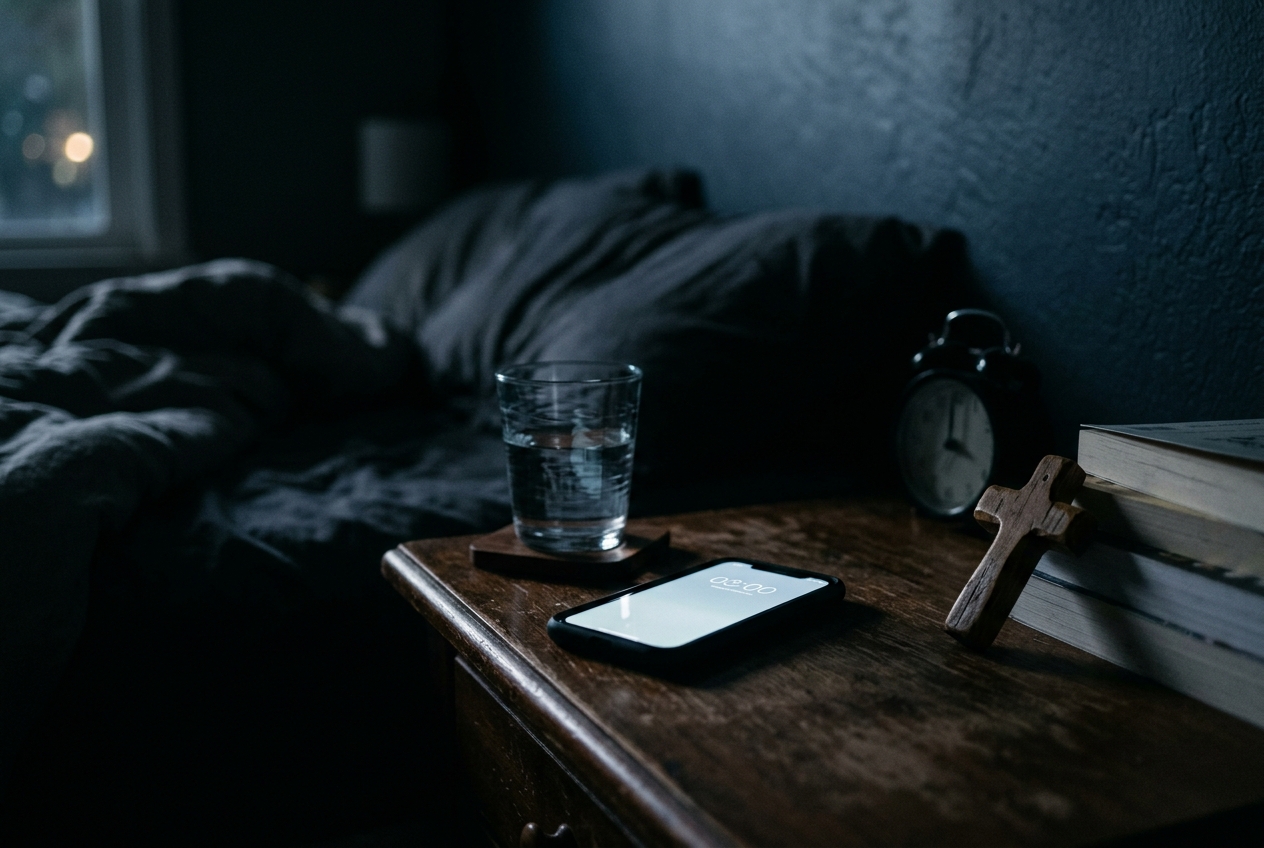
It's 2am. You've found the evidence, or he's told you himself. Your hands are shaking. You don't know whether to scream, cry, or start packing his bags. Before you do anything, breathe. There is a way through the next three days, and you don't have to work it out alone.
First, is anyone in danger right now
Before anything else, check for physical danger. If he's taken something and is unresponsive, having seizures, struggling to breathe, or you cannot wake him, call 999 (or 911 in the US) immediately. Do not wait to see if he sleeps it off. Overdose can look like sleep. If you're at all unsure, call anyway. Paramedics would rather be called and not needed than the other way round.
If there's a risk of violence, get yourself and any children to a safe room or out of the house. Your safety and theirs comes before any conversation about the relapse. You can find crisis resources at /crisis and immediate guidance at /help.
Once you know everyone is physically safe, the next 72 hours are about steadying yourself, not fixing him.
Hour one: don't decide anything yet
The urge to make a huge decision right now is enormous. Kick him out. Forgive him fully. Threaten to leave. Pretend it didn't happen. Resist all of these for now.
In the first hour, your only jobs are:
- Confirm everyone's physical safety
- Get him somewhere he can't hurt himself or others (a separate room is fine)
- Text or call one trusted person who knows your situation, just so you're not carrying this alone tonight
You do not have to have the big conversation tonight. If he's under the influence, he is not capable of a real conversation anyway. Wait until he's sober before you talk about what happens next.
Hours 1 to 6: get yourself somewhere steady
If it's the middle of the night, try to sleep, even if it's only a few hours. You cannot think clearly on no sleep and high adrenaline, and the decisions ahead need a clear head.
If sleep isn't possible, at least get out of the room he's in. Sit somewhere quiet. Pray if that's where you are. Psalm 34:18 says, "The Lord is close to the brokenhearted and saves those who are crushed in spirit." You may not feel that closeness tonight. That's alright. The verse doesn't depend on your feelings to be true.
Don't use these hours to search his phone, rehearse accusations, or read every forum on the internet about relapse statistics. It won't help tonight. It will only feed the panic.
Hours 6 to 24: facts, not fixing
Once there's daylight and he's sober, you need clarity, not a full resolution. Ask calm, factual questions:
- What did you use, and how much, and when
- Is there anything in the house right now
- Are you safe, do you need medical help
This is not the time for "why did you do this to me" or "how could you." Those questions matter, but not in hour ten. Right now you're gathering facts so you can make safe decisions about the house, the children, and the day ahead.
Tell him plainly what you need for today: for example, that he needs to go to a meeting, call his sponsor or counsellor, or that you need him out of the house for the day while you think. Keep it short. You don't need to justify it or argue him into agreeing.
This is also the point to contact anyone else who needs to know: his counsellor, sponsor, or a close friend in his recovery circle. You are not betraying him by doing this. Silence protects the addiction, not the person.
Hours 24 to 48: boundaries, not ultimatums
By the second day, the shock has usually worn off a little and the anger or grief sets in properly. This is normal. It's also the point where families often make decisions out of pure emotion that they can't sustain.
An ultimatum said in fury ("if you ever do this again I'm gone") that you don't actually mean will cost you credibility next time. A boundary is different. A boundary is something you decide calmly and can actually hold: "I won't be in the same room as you if you've used. I won't lie to the children about what's happening. I need you to go back to your programme this week."
Write your boundaries down if it helps. Say them once, clearly, without shouting. You don't need his agreement for a boundary to be real. It's yours to keep regardless of what he does.
This is also the day to think about children, if you have them. They usually already know something is wrong. Age-appropriate honesty is almost always better than pretending. CFR has children's courses built for exactly this at /course/little-hearts, /course/growing-hearts, and /course/young-hearts, depending on their age.
Hours 48 to 72: look after yourself, not just him
By now the immediate crisis has usually settled, and this is when many spouses forget themselves completely. You've been in fight-or-flight for two days. Your body needs food, water, and rest as much as his does.
Ask yourself honestly: who is holding you right now? A relapse is traumatic for the spouse too, even if nobody says that out loud. 1 Corinthians 10:13 reminds us that "God is faithful; he will not let you be tempted beyond what you can bear. But when you are tempted, he will also provide a way out." That promise is for him in his temptation, but it's also for you in yours — the temptation to control everything, to collapse, to pretend you're fine when you're not.
Find one person or one space this week where you can say exactly how you feel without managing anyone else's reaction to it. That might be a friend, a counsellor, or a peer community that actually understands relapse from the inside, like the one at /relapse-support.
What comes after the 72 hours
Relapse is common in recovery. That doesn't make it acceptable or something you have to just absorb, but it does mean you don't have to treat every relapse as the final word on whether recovery is possible. Many people relapse and go on to build lasting sobriety. The relapse itself isn't the end of the story, it's a data point that says the current plan needs adjusting, usually with more support and more honesty, not less.
Over the coming days, look at what changes need to happen: more accountability for him, more support for you, and an honest look at whether the current level of care is enough. This is often the point where families realise they've been managing the crisis alone for far too long.
Questions people ask
Should I kick him out?
There's no single right answer. It depends on safety, on children in the home, and on what you can actually sustain. If there's violence or ongoing danger, removing yourself or him from the house is about safety, not punishment. If it's about consequences rather than immediate danger, make sure it's a decision you've thought through sober and calm, not one made at 2am in anger, because you need to be able to hold it.
Is it my fault he relapsed?
No. Addiction is not caused by a spouse's behaviour, and relapse is not a verdict on your worth or your marriage. You may have things to work on, everyone does, but his choice to use is his own. Carrying guilt for his relapse only adds weight you were never meant to carry.
How do I tell the children?
Keep it simple, honest, and age-appropriate. You don't need to give every detail, but pretending nothing happened usually does more harm than a calm, truthful explanation. CFR's children's courses are built specifically to help with these conversations at different ages.
When should I call for help immediately rather than waiting?
If he's unresponsive, having trouble breathing, having a seizure, or you cannot wake him, call 999 or 911 straight away. If there's any risk of violence toward you or the children, get to safety first and call emergency services. Don't wait to see how things look in the morning.
Where to go next
If you're in the middle of this tonight, start with /help/my-husband-relapsed-again for step-by-step guidance written for exactly this moment. For ongoing support after a relapse, /relapse-support has resources for both of you. If you're the spouse or partner carrying this, Still Standing was built for you specifically. Couples and families working through recovery together may find Walking It Out: Family helpful, and if you're not sure where to start, the 90-second quiz can point you in the right direction.
You are not failing because he relapsed. You're doing the hard, patient work of staying steady in a storm you didn't choose. That matters, even on the nights it doesn't feel like it.
— Pastor Simon
Pastor Simon
Christian Family Recovery Team - Supporting families through addiction recovery with faith and compassion
Still Standing — for spouses and partners
You did not cause this and you cannot cure it. Here is what you can do.